

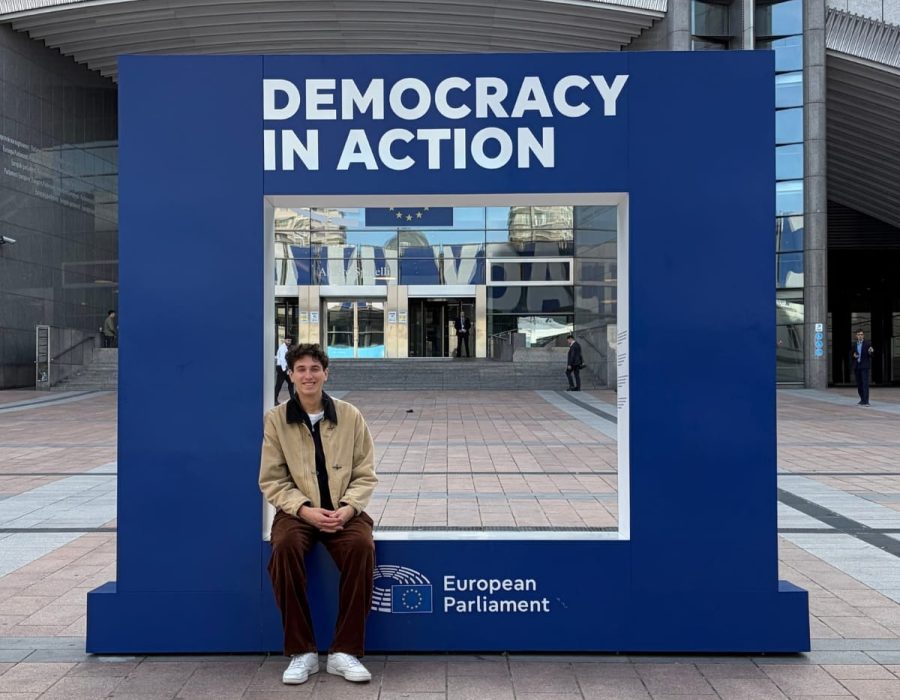
Five days in Brussels, five days right at the heart of European politics: our intern had the opportunity to experience it all up close. But we’ll let him tell you about his impressions and experiences himself:
Touchdown in Brussels! As part of my internship at Die HimmelsSchreiber, I had the opportunity to spend last week in Brussels and get a taste of EU life at our Brussels office.
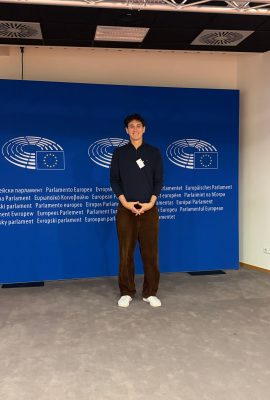
Over the course of five days, I attended a range of events hosted by various think tanks, including the European Policy Centre, the Foundation for European Progressive Studies and the Centre for European Policy Studies, as well as foundations represented in Brussels such as the Friedrich Naumann Foundation for Freedom. There, I attended a highly engaging panel discussion on EU enlargement and had a number of interesting and inspiring conversations on the sidelines. The very constructive debate made one thing particularly clear: joining the EU has become an extremely complex process. According to the participants, who included long-standing members of the European Commission and experts on enlargement, Montenegro is currently the only candidate country close to joining the Union. The discussion also touched on Iceland, which withdrew from accession negotiations following a referendum this summer but remains part of the EU single market and continues to cooperate closely with the EU.
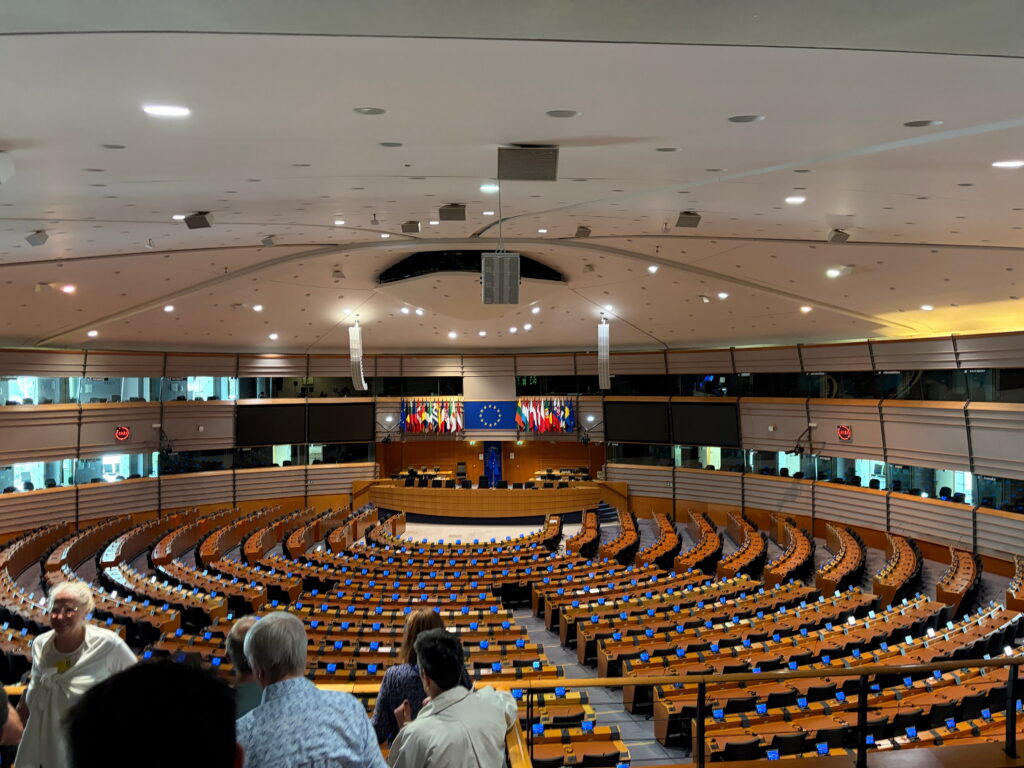
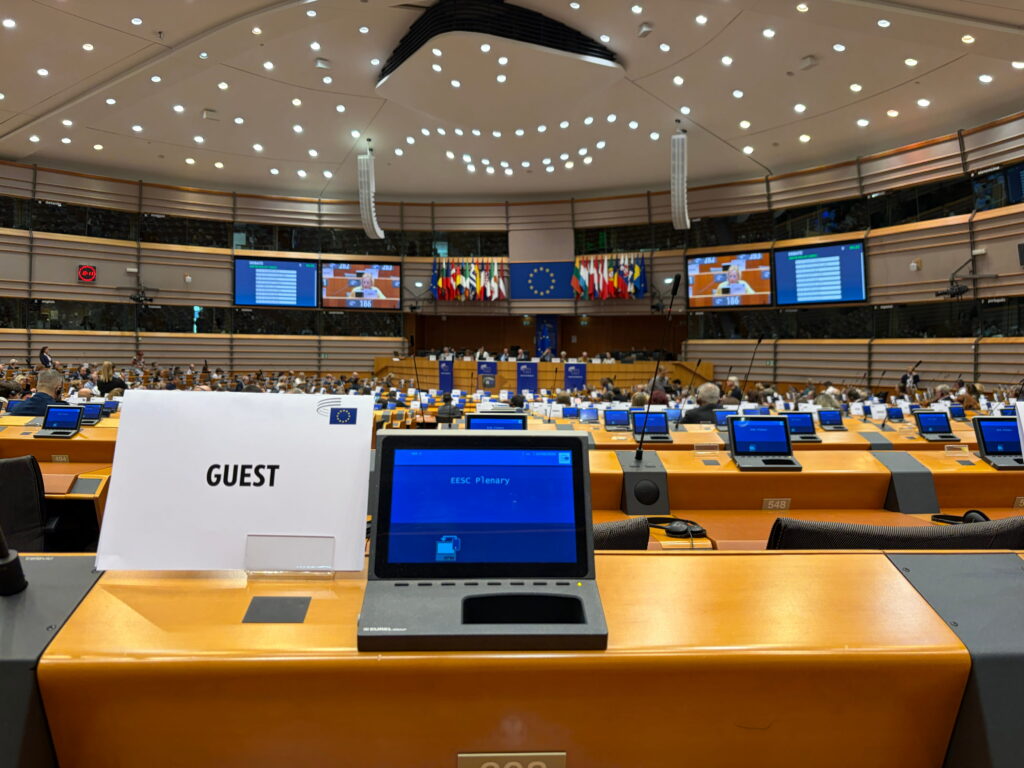
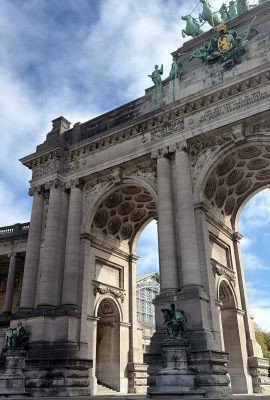
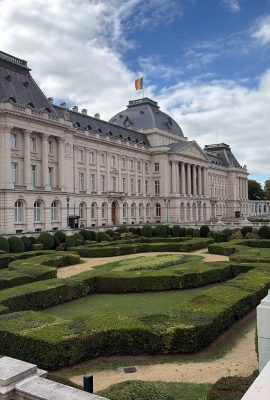
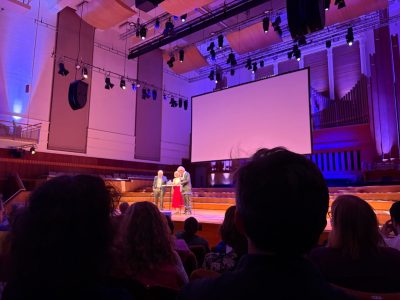
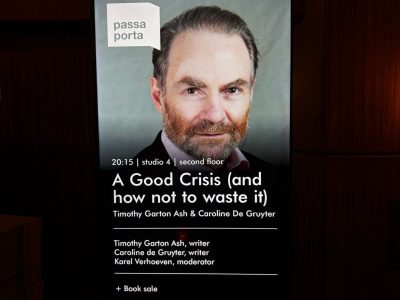
I also explored Brussels and its European Quarter, including an extensive visit to the European Parliament. My personal highlight was a political and historical discussion at the sold-out Flagey theatre featuring renowned European studies scholar Timothy Garton Ash and historian Caroline de Gruyter, who discussed the current state of Europe and the challenges it faces. One point became particularly clear: European democracy is resilient, but it also needs to be defended by all of us. Anti-democratic forces are seeking power across Europe, including in France and Germany, the two driving forces of the European project. One particularly interesting observation by Garton Ash was that Marine Le Pen’s right-wing populist Rassemblement National is not perceived internationally across Europe as posing as great a threat as the AfD. The two historians even went so far as to argue that the AfD’s electoral successes are reviving old fears of an expansionist and dangerous Germany.
A big thank you to Die HimmelsSchreiber, and in particular to our Brussels colleague Sabine Seeger-Regling, who planned an extremely rewarding tour through the world of the EU for me over the past week and accompanied me on my journey into the heart of European democracy. I thoroughly enjoyed not only preparing for the trip by working with and analysing EU legislation, untangling some of the EU’s bureaucratic jungle in the process, but also experiencing European politics first-hand.
One thing is certain after my time in Brussels: the EU is strong and has enormous potential. Above all, however, it has created a level of peace on our continent that was previously unimaginable – a peace that all Europeans have a responsibility to preserve.


